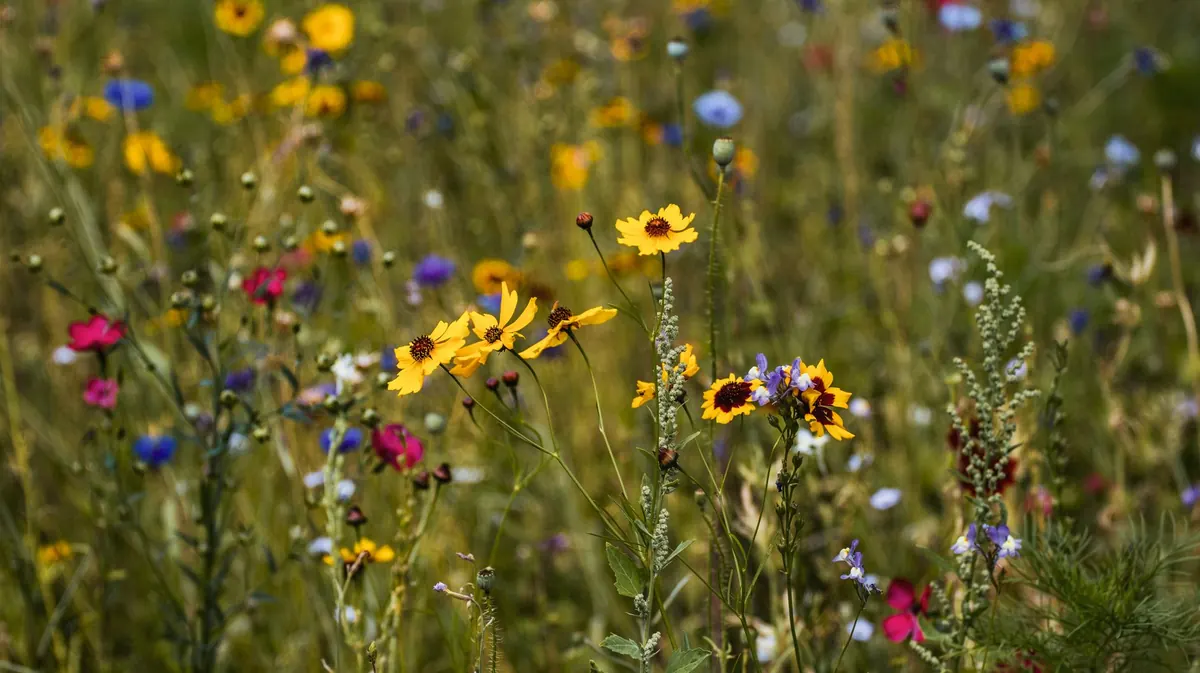
Spring in a wildflower meadow is not a gentle unfurling. It is a short, crowded scramble in which everything—grass, rosettes, thistle crowns, the first drowsy bumblebees—makes its bid for light and space at the same time. Miss three weeks and you will spend the summer staring at grass. Get the early jobs right and the meadow does most of the work itself.
What follows is the order that tends to work on British sites, whether you are managing a paddock, a churchyard strip or a corner of an ordinary garden lawn.
Start by Looking, Not Cutting
Before a mower or fork comes out, walk the whole area slowly, ideally after rain. The ground will tell you most of what you need to know. Where it squelches, expect rushes, sedges and creeping buttercup; where it drains fast and looks thin, you may have the leaner conditions wildflowers prefer.
Look at the grass as well as the flowers. Ryegrass, Yorkshire fog and cocksfoot in abundance suggest high fertility, which usually means grass will outcompete everything. Fine fescues and bent grasses suggest the sward is already heading the right way. Then hunt for rosettes: knapweed, ox-eye daisy, cowslip, ribwort plantain, cat's ear. Each one tells you which perennials you already have and where it is worth adding more.
Note the bare patches too. Those are your future planting spots.
Deal With the Thugs Before Anything Else
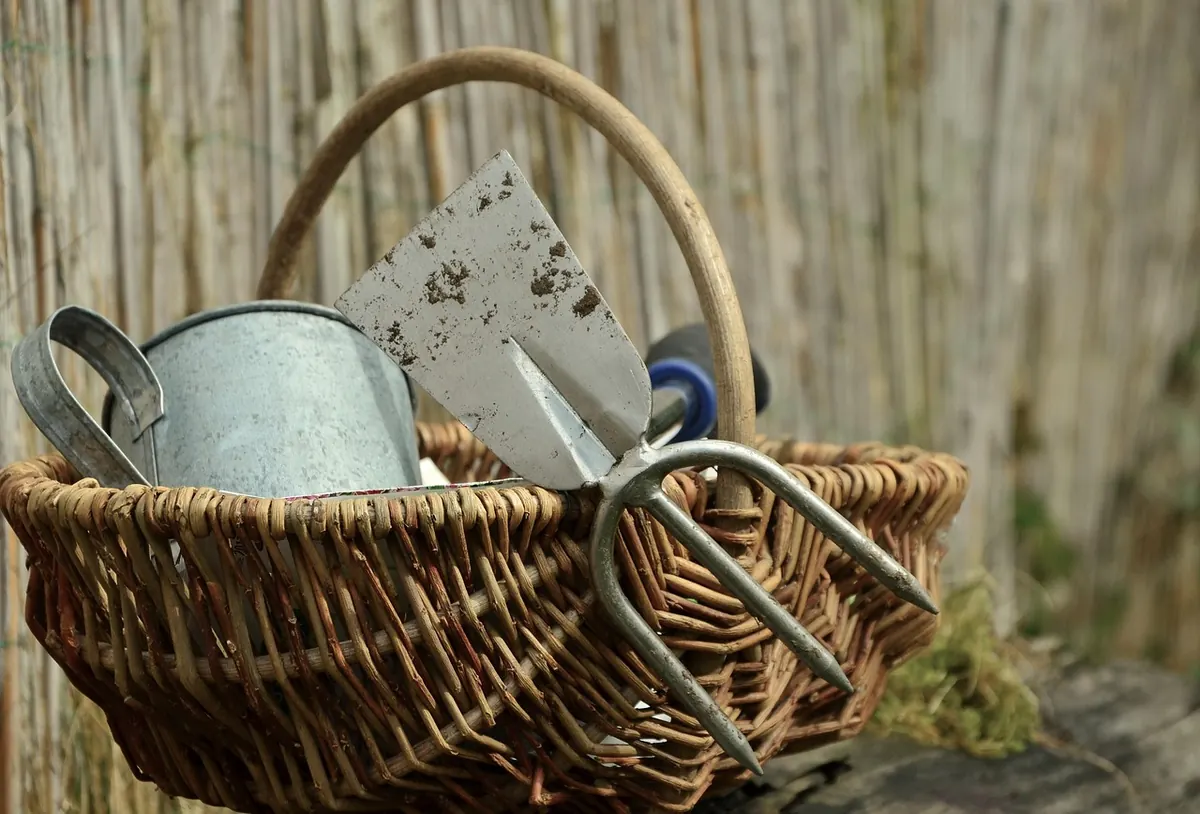
Perennial weeds are what quietly dismantle a meadow: creeping thistle, broad-leaved dock, nettle, ragwort, couch grass, hogweed, creeping buttercup. They spread by root as well as seed, so a quick skim with a hoe achieves very little. Wait for soft ground after rain, then lift them with a fork, following the root down and easing it out rather than snapping it off.
Timing matters more than technique. Anything pulled before it sets seed is a gain; anything left until the seed heads brown is a decade of extra work. Work in patches rather than trying to clear the whole site in one heroic weekend—disturbing the entire sward at once simply invites more weed seed to germinate. A nettle patch tucked into a hedge edge is worth leaving for butterflies. A nettle patch in the middle of the flowering area is not.
If ragwort is present and the meadow is grazed or cut for hay, take proper advice. It is poisonous to livestock and there are controls on it on agricultural land. Wear gloves when handling it, and never let pulled material sit where animals can reach it.
Mow Early If the Grass Is Winning
If the sward is thick and lush, an early cut in late March or early April does a great deal of good. Set the blades to roughly 5–7cm and take the growth off before it smothers the young rosettes underneath. Only mow when the ground is dry enough to carry the machine without leaving ruts; compaction caused by working wet soil can take years to undo.
Cut and remove, every time
This is the single most useful habit in meadow management. Mowings left lying on the surface break down and feed the soil, and fertile soil grows grass and docks, not wildflowers. Rake the arisings off, or collect them if your mower bags. If you only do one thing differently this year, do this.
Cut and remove. It is not tidiness for its own sake—it is how a meadow stays a meadow.
After that early cut, leave the site alone until the main hay cut in mid to late summer. Resist the urge to tidy it every fortnight.
Plug Planting: The Quickest Way to Add Flowers
Seed is cheap but slow and unreliable in existing grass. Plug plants are the practical option for most people, and March to April is the ideal window, while the soil is still damp and the plants have time to root before summer. Buy from a nursery that sells British native stock of known provenance, and avoid general-purpose "wildflower mixes" that include non-native or thuggish species.
Reliable performers include ox-eye daisy, common knapweed, field scabious, betony, cowslip, selfheal, bird's-foot trefoil and meadow buttercup.
- Clear a dinner-plate-sized patch of grass and roots around each planting position. Competition is the main reason plugs fail.
- Fork over the cleared ground to loosen it, then firm it lightly with your boot.
- Plant at the same depth the plug was growing in its tray—not deeper.
- Firm the soil around the roots and water in well, even if rain is forecast.
- Space plants roughly 30–45cm apart, which works out at about five to nine plugs per square metre.
- Water through the first dry spell. A good soak once a week beats a light sprinkle every evening.
Protect new plugs from slugs and rabbits for the first few weeks. After that, they should hold their own.
Sow Yellow Rattle in the Right Window
Yellow rattle (Rhinanthus minor) is the plant that changes the balance of a meadow. It parasitises grass roots, weakening the grasses and opening up space for flowers. Without it, most sowings on fertile ground stall within two seasons.
Its seed needs a cold, damp spell to germinate well, so autumn sowing is usually best and early spring is the second-best option. Use fresh seed. Seed that has sat in a warm shed since last summer will germinate poorly, however good it looked when you bought it. Scatter it lightly onto short grass—you want seed every few centimetres, not a solid carpet—then tread it in so it makes contact with the soil. Keep the grass around it short until the seedlings are clearly up, then stop mowing and let it flower.
Feed Nothing, and Let the Soil Stay Lean
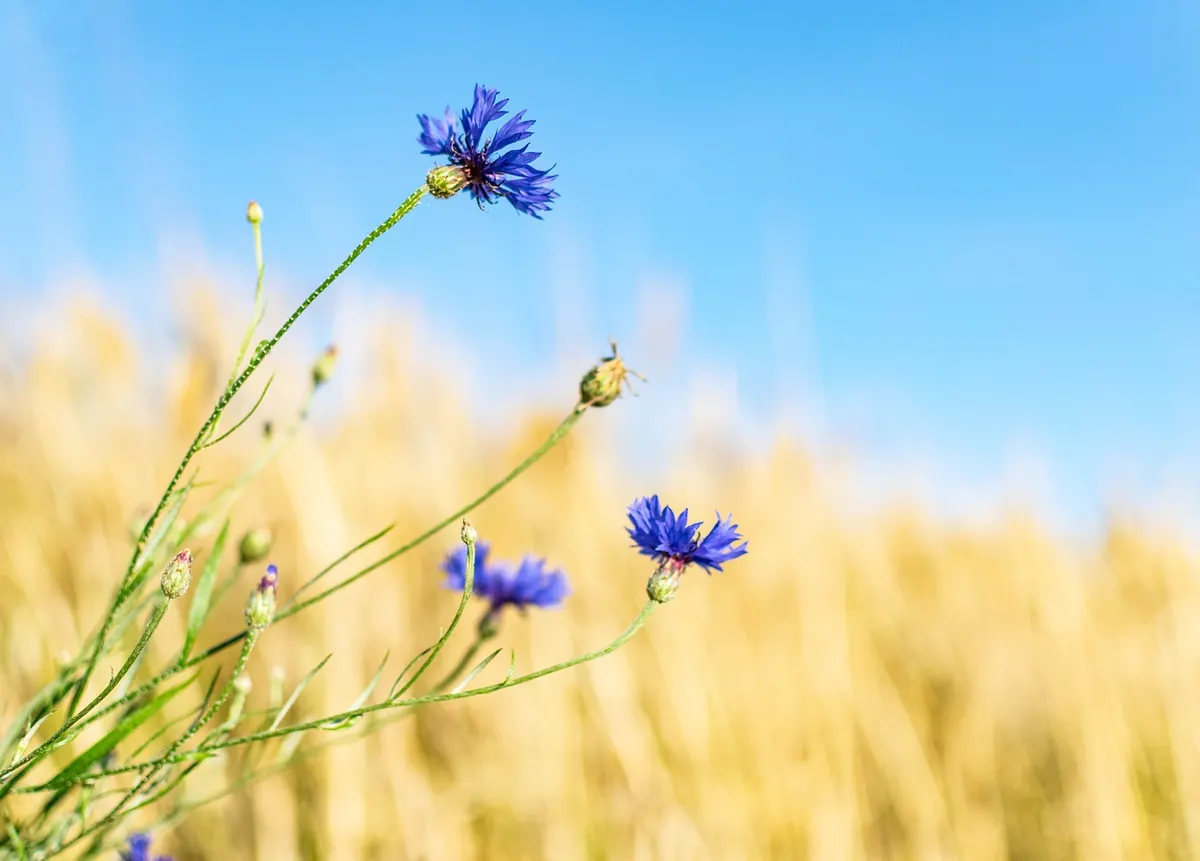
Wildflower meadows run on low fertility. Do not add fertiliser, compost, mulch or topsoil, and do not leave mowings behind. If you are converting an old vegetable bed or a lawn that has been fed for years, expect grass and docks to dominate at first. Cut and remove twice a season for a few years and fertility will fall. In the meantime, a strip of cornfield annuals—cornflower, poppy, corn marigold—will give you colour while the perennials settle in.
A Short List to Carry Through Spring
- Walk the site after rain and note what is growing where.
- Lift thistle, dock and ragwort before they set seed.
- Mow thick grass once in early spring, then leave it.
- Remove every mowing you take off the site.
- Plant plugs into cleared patches while soil is damp.
- Sow yellow rattle onto short, open grass and tread it in.
- Keep a notebook: dates, cuts, what flowered, what failed.
That last point is not busywork. Meadows change slowly, and a few lines written each season will tell you more about your own patch than any general guide can. Be patient with the first year, ruthless about the second, and by the third spring the flowers will be doing the arguing for space themselves.
Photo: congerdesign / Pixabay