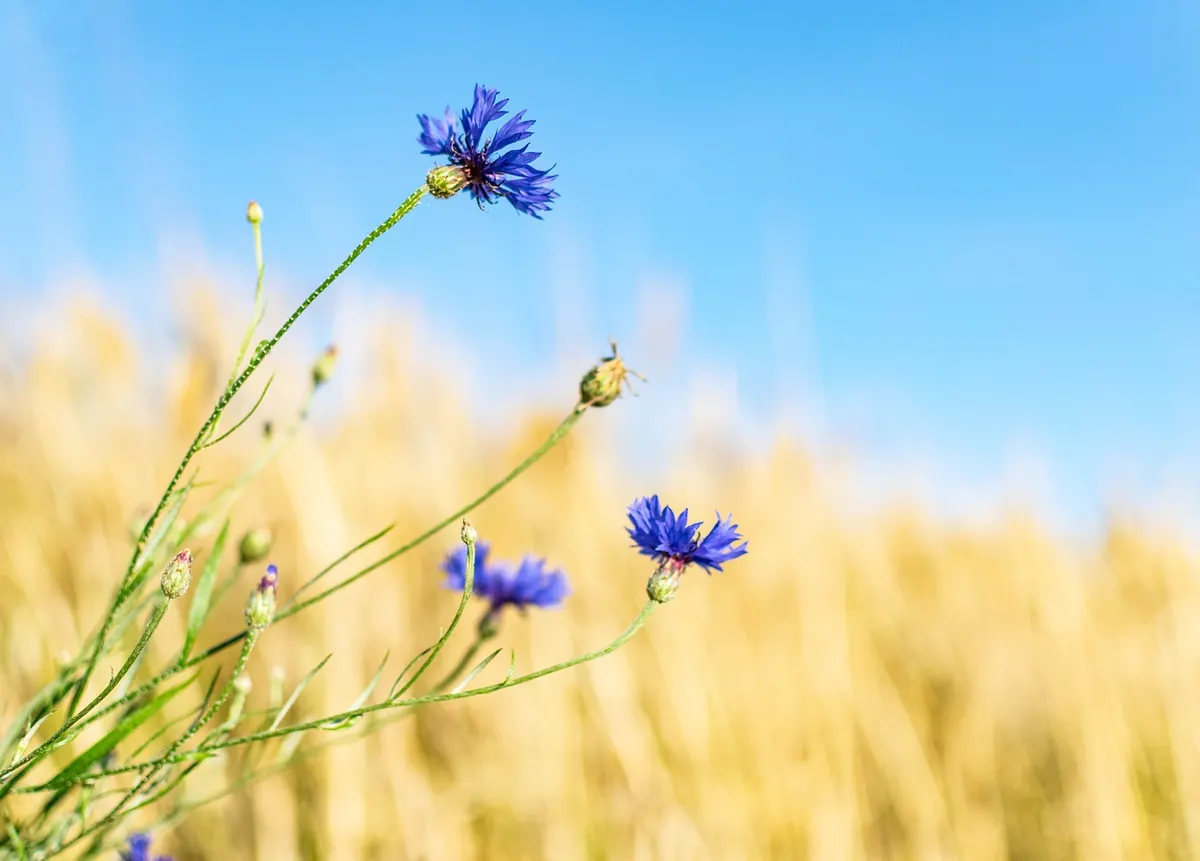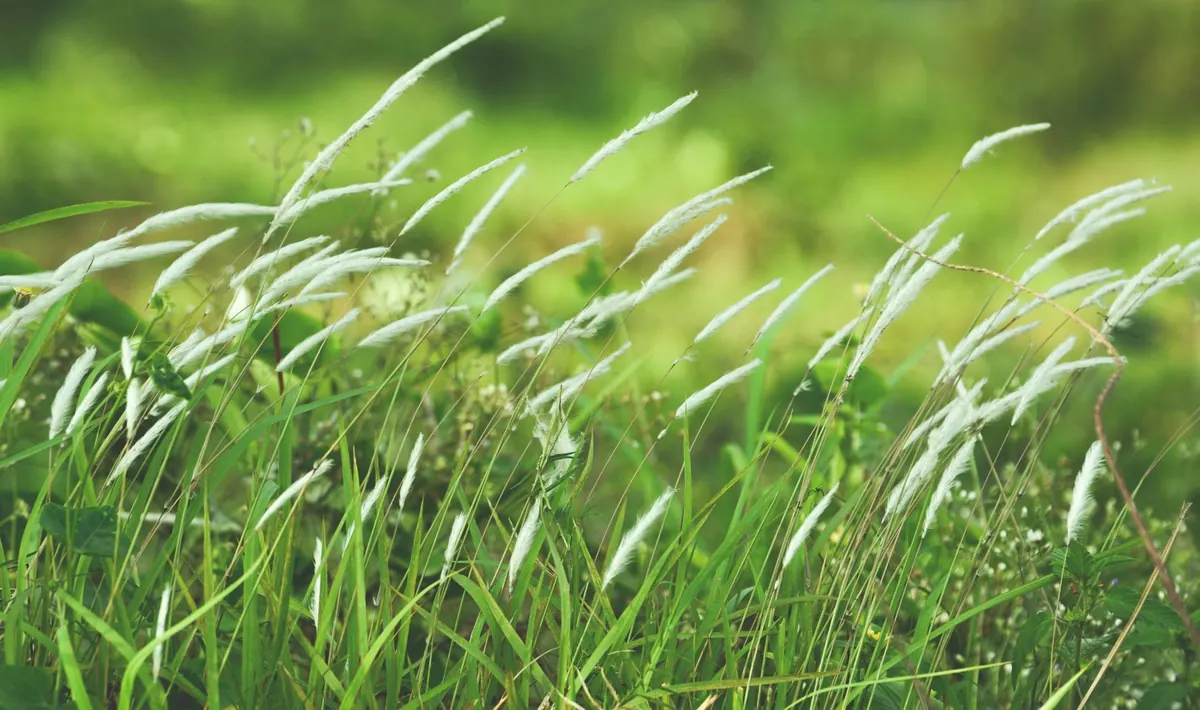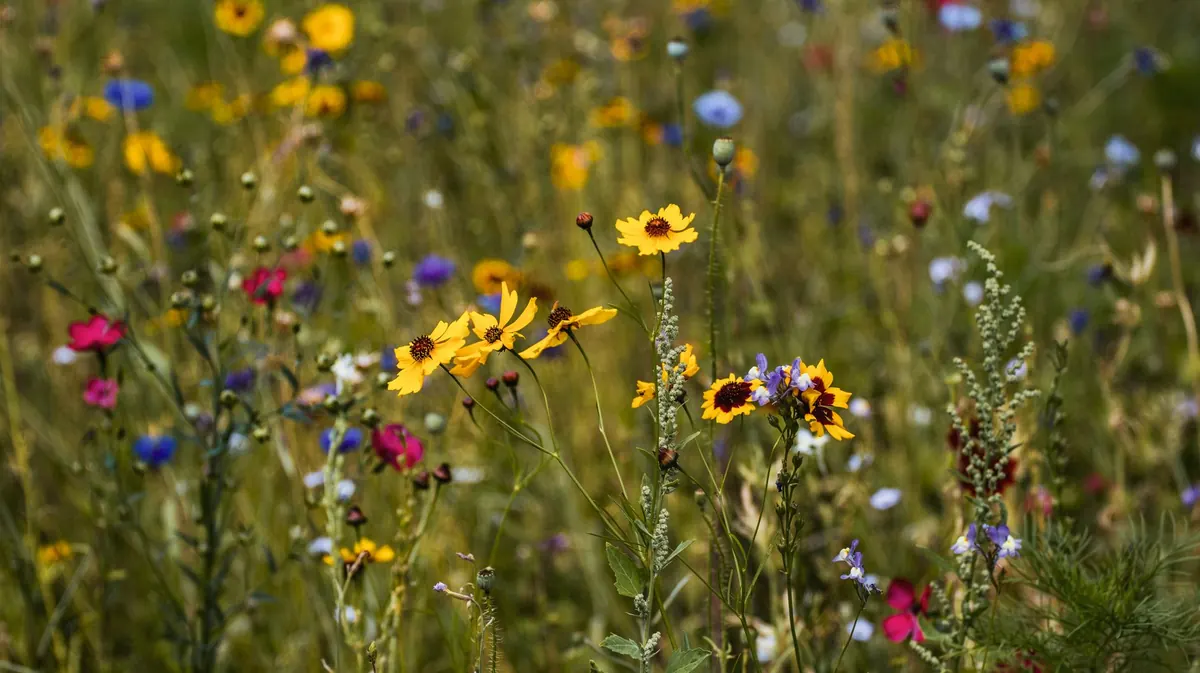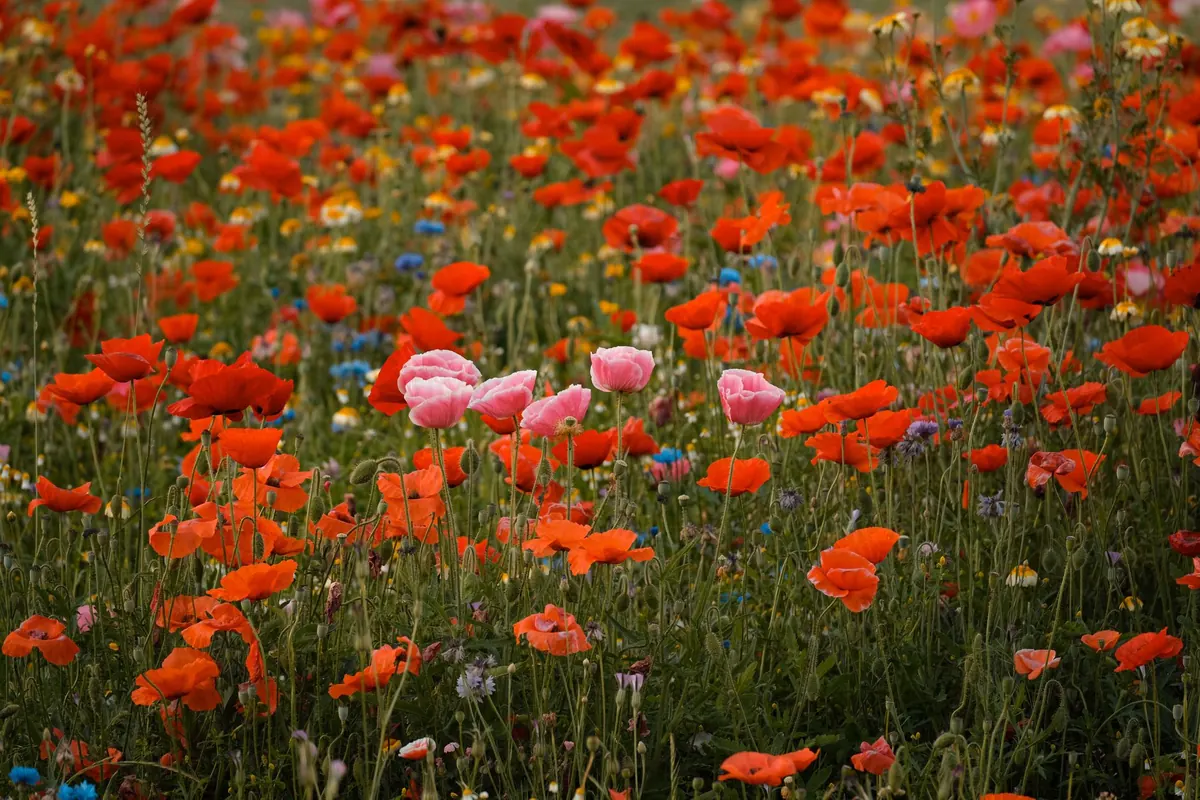
A meadow is not a lawn that got away from you. It is a managed habitat, kept open and flower-rich by a rhythm of disturbance and rest — cutting in late summer, grazing light or none at all, and a long quiet winter. Get that rhythm roughly right and the plants do the rest: ox-eye daisies in June, knapweed and scabious through July, a haze of grass seed by August.
The calendar below is a working guide, not a rigid timetable. A meadow on thin chalk in Hampshire will run a fortnight ahead of one on heavy clay in Cumbria, and a wet spring shifts everything again. Use it as a prompt for what to look at and when, then adjust to what you actually see.
Spring: Waking the Meadow (March to May)
Your first proper walk of the year comes in March. Stick to the edges if the ground is still holding water — trampling wet soil does more damage than any late frost. Look for bare patches, poached gateways, litter and any thatch that has matted over the crown of the grasses.
By April the meadow is telling you what it wants to be. Yellow rattle seedlings appear as small, stiff green spikes; where they are thin, you have room to intervene. Fork out docks, creeping thistle and nettles now, while the soil is soft and the roots come away whole. Leave them to wilt and they will set seed where they fall, so bag them.
May is your last realistic window for plug plants. Anything planted now has a few weeks to root before the grasses close over and shade it out. Water them in, then leave them be.
What to look for in spring
- Bare ground bigger than a dinner plate — potential sowing or plugging sites
- Yellow rattle numbers, and whether it is spreading or retreating
- Coarse grasses such as cocksfoot and rye creeping in, a reliable sign of fertility
- Perennial weeds flowering early — deal with them before they set seed
- Drainage problems, rabbit damage and fence gaps before the growth hides them
Early Summer: Resisting the Mower (June and July)
This is the hardest stretch for anyone with a mowing habit. Do not cut. The whole point of the year is happening now, and a pass with the mower in June removes the flowers, the nectar and the seed in one afternoon.
What you can do is make the meadow readable. Cut a mown path or two, a metre wide, roughly fortnightly to about 5cm. Straight lines look deliberate; curves look like a garden. Either works. A path also means you can walk the meadow in wet weather without flattening it.
Carry a notebook or use your phone. Note which flowers appear, where the sward is thin, and which corners stay stubbornly green and dull. Mark the dull areas with a cane so you remember them in autumn. If a first-year meadow is collapsing under its own weight, a single high topping at 10–15cm will tidy it, but accept that you will lose that season's flowers.
Late Summer: The Main Cut (August and September)
The hay cut is the single most important job of the meadow year. Timing is a judgement call. As a rule, cut once the majority of flowers have set and shed seed — often mid-August in the south, later in the north, and later still on heavy clay. Fertile, grass-dominated sites can be cut from late July to weaken the grasses; thin, flower-rich sites are worth waiting on so the seed drops.
- Walk the site first. Go slowly, in the morning, and look for nesting birds, frogs, slow worms and hedgehogs. If you find an active nest, wait a fortnight and check again.
- Cut to 5–10cm. A scythe, brushcutter or flail mower all work. Set the blade high enough to leave the rosettes of knapweed, scabious and cowslip intact.
- Leave the arisings in place for two to seven days so seed falls back into the sward.
- Rake off and remove the hay. Compost it, use it as mulch, give it to a neighbour with a pony. Never leave it lying — it smothers what is underneath.
- Follow up if needed. A second cut six to eight weeks later keeps rank regrowth in check.
Removing the cuttings is what makes a meadow. Every year you carry nutrients off site, the soil grows poorer, and the flowers gain ground on the grass. Skip this step and you will have a tall, green, flowerless field within a few seasons.
Autumn: Repair, Seed and Prepare (October to November)
With the hay off, you can see the gaps. Rake or harrow bare patches to expose some soil, then sow yellow rattle — it needs a cold spell to germinate, so autumn sowing suits it — along with local-provenance wildflower seed or a few plugs. Tread the seed in so it makes contact with the ground.
Yellow rattle is the quiet workhorse of a UK meadow: it parasitises grass roots, thinning the sward and opening space for everything else. Sow it thinly and keep the surrounding grass short through its first winter.
If growth has been strong, take one last cut and clear the arisings, leaving the sward around 10cm so overwintering rosettes are not shaded. Leave a strip at the margins uncut for seed-eating birds and invertebrates. Molehills are worth raking level, though a few patches of bare soil do no harm.
Winter: Rest, Habitat and Planning (December to February)
Mostly, leave it alone. Hollow stems, seed heads and tussocks are winter accommodation for insects and small mammals, and there is nothing useful to do in a wet, frozen meadow except stay off it. Compaction in January takes years to undo.
Use the fallow months for the jobs that pay off later: order seed, get the scythe and brushcutter sharpened, repair paths and gates, and read back through last year's notes. If you are planting a hedge or boundary trees, bare-root season is now — but keep them out of the meadow itself, where their roots and shade will change everything.
Adjusting to Your Site and Your Weather
No two meadows want the same treatment. A former pasture on rich soil may need two cuts a year simply to hold the grasses back. A chalk downland sward might need one, plus a light graze if you have livestock. A newly sown meadow usually wants a high cut every few weeks through its first summer to knock back annual weeds, then its first proper hay cut the following year.
Weather will override the calendar regularly. A wet July can push the cut into September; that is survivable, but seed may already have dropped and the sward will be flattened. If in doubt, cut later rather than earlier, and always check for wildlife before you start.
Making It Work, Year After Year
Keep a simple record — a few photographs from the same spots each month will tell you more than any memory. Expect a sown meadow to take three to five years to settle, and an existing one to shift slowly; that is normal, not failure. Buy seed from a supplier working with local provenance, and never take seed or plants from the wild.
If your site may support protected species, or you are managing a large or awkward area, take advice from your county wildlife trust or a meadow specialist before cutting. Then do the one thing that matters most: cut it, clear it, and wait for next June.
Photo: Francesco Ungaro / Pexels